Venues & destinations
Corporate retreat venues: how to choose the right one
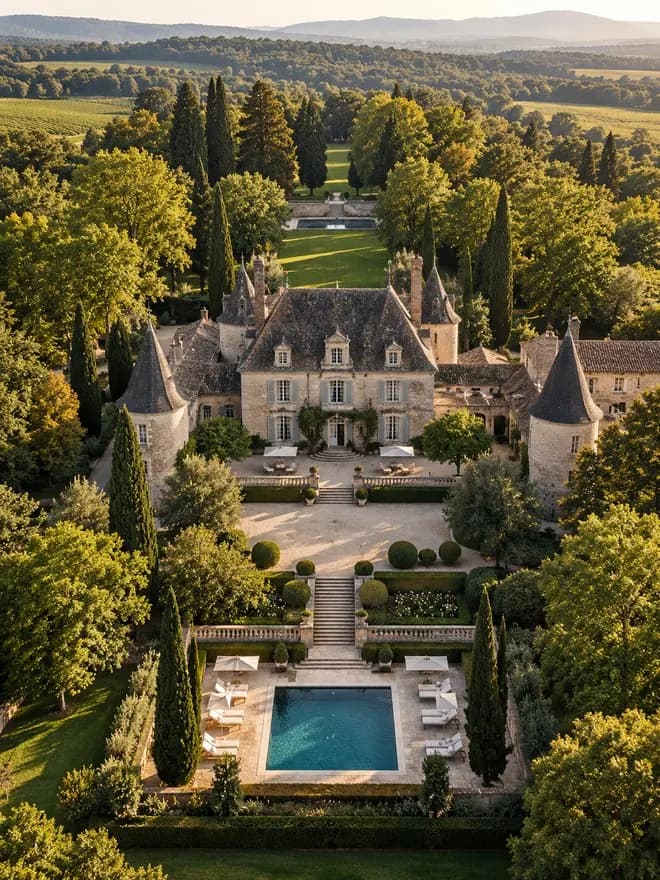
The venue is the single biggest decision in planning a corporate retreat. It sets the mood, shapes the agenda, drives a large share of the budget and decides how easy the logistics will be for everyone, from the people who organise it to the people who have to get there.
It is also where many retreats go wrong, usually for simple reasons: a room that looked big enough in photos, a location that takes a whole day to reach, a contract with terms nobody read closely.
This guide helps you choose with confidence. It covers the main types of venue, the criteria worth checking, the questions to ask before you commit and the contract points to look at, with extra notes for larger groups and teams travelling from several countries.
Start with the retreat, not the venue
Before you search, write down what the retreat needs:
- Purpose. Strategy, alignment, connection, a reward, or a mix.
- Group size. The exact number and how likely it is to change.
- Length. One day, a couple of nights, a full week.
- Format. Mostly plenary sessions, many small workshops, outdoor activities, free time.
- Budget. A range per person and in total.
- Dates. Which are fixed, and which can move.
A venue that suits a ten-person strategy session may be wrong for a hundred-person company gathering. The brief tells you which kind of place to look for.
Types of venue
| Type | What it offers | Often suits | Worth checking |
|---|---|---|---|
| Country house or estate | Privacy, grounds, a feeling of getting away | Leadership retreats, strategy sessions, mid-sized groups | Capacity of meeting rooms, number of bedrooms on site |
| Hotel or resort | Rooms, meeting spaces, food and facilities in one place | Larger groups, multi-day programmes | Exclusive use or shared with other guests, rate structure |
| Conference or training centre | Meeting rooms and equipment designed for work | Working retreats, training, workshops | Atmosphere, free-time options |
| Rural lodge or retreat centre | Calm, nature, often simple and flexible | Small and medium groups, wellbeing and reflection | Distance from transport, standard of rooms |
| Coastal or mountain property | Setting and activities that people remember | Reward trips, team connection | Season, weather, access |
| City hotel | Easy access, culture and food on the doorstep | Short retreats, international groups | Noise, distractions, price in peak periods |
| Historic or unusual venue | Character and a sense of occasion | Smaller groups, evening events | Practical details such as accessibility and technical set-up |
Many retreats use a mix: a main base for sessions and sleeping, with a different place for a dinner or an activity.
Criteria that matter most
1. Capacity. Check three numbers: how many people can sleep on site, how many fit in the main meeting space and how many breakout rooms there are. Ask for room layouts, not just maximum capacity.
2. Location and access. Look at the journey for the people travelling furthest, not the average. Fewer connections and shorter transfers make a better start. For international groups, check airports, time zones and transfer options.
3. Accommodation. Quality and type of rooms, whether all are in one building, and how the venue allocates rooms for a group.
4. Meeting spaces and technology. Natural light, sound, projection, connectivity, power, and a backup if something fails.
5. Food and drink. Standard of catering, flexibility for dietary needs, and whether outside suppliers are allowed.
6. Activities and surroundings. What is nearby, what the venue can arrange, and what is possible if the weather changes.
7. Accessibility. Step-free access, adapted rooms, transport. Ask for specifics, not general reassurance.
8. Atmosphere. Does it feel like somewhere your people will want to be? Photos help, but a visit is better.
9. Sustainability. If it matters to your company, ask about energy, food sourcing, transport options and how the venue measures its impact.
10. Price and what is included. Compare the whole package: rooms, meeting spaces, food, equipment, service charges and taxes.
Questions to ask every venue
- Is the venue ours alone, or shared with other groups during our dates?
- What is the exact capacity of each space, in the layouts we need?
- What is included in the daily rate, and what is extra?
- How are rooms allocated and what happens if numbers change?
- What are the deadlines for confirming numbers, menus and rooming lists?
- What equipment is available, and who supports it on site?
- What accessibility features does the venue have?
- What is the plan if the weather, a supplier or a technical system lets us down?
- Which other groups have used the venue for a retreat of our size?
What to look for in the contract
Read these points carefully, and ask for clear wording:
- Cancellation terms. What you pay if you cancel, and when.
- Reductions in numbers. How far you can reduce guests without a penalty.
- Minimum spend. Food, drink or room minimums.
- Payment schedule. When deposits and balances are due.
- What happens if the venue cannot deliver. Changes of room, space or date.
- Taxes and service charges. Whether quoted prices include them.
- Insurance and liability. Who is responsible for what.
For international retreats, local rules can differ, so it is worth having finance or legal review the contract.
Visiting the venue
If you can, visit before you decide, or send someone you trust. Use the visit to:
- walk the route a guest would take from arrival to room to meeting space;
- see the rooms you will actually use, not only the best ones;
- check sound, light and connectivity in the meeting spaces;
- try the food;
- speak to the person who will be your contact on the day.
Choosing for larger groups and several countries
Larger groups and international teams add a few considerations:
- One site or several. A single venue is simpler. If nothing fits everyone, check how close the alternatives are.
- Arrival logistics. Plan transfers for different arrival times, and a clear welcome.
- Language and local expectations. Check that staff and signage work for your group.
- Time and season. Dates that suit one country may fall in a holiday or peak season in another.
- Documents and insurance. Entry rules and cover for the country you choose.
Where to find venues
There are three common routes:
- Directly. You search, contact venues one by one and negotiate. It gives you control and takes time.
- Online marketplaces and directories. Useful for ideas and comparison, though quality and availability vary.
- A specialist partner. Someone who knows the venues, negotiates and handles the contract for you.
Which route fits depends on how many retreats you run, how much time you have and how large the group is.
How we approach venue sourcing at Always Friday
We are a tech-enabled event agency. For a retreat, you work with a dedicated event manager, who handles venue sourcing, negotiation and coordination through to the final day. Behind them is our platform and a network of more than 10,000 vetted venues and suppliers, with preferred supplier rates, so you can compare real options instead of starting from a blank search.
Registration pages, invitations and guest management sit in the same place, and you receive one invoice, with supplier management in one place.
We organise People events, Sales events, Marketing events and Executive events, with hubs in Milan, London and Barcelona, and organise events globally.
If you are looking for a venue and want to see what is possible, you can share your brief in our AI event planner. For the full planning process, see our guide to company retreat planning.
Frequently asked questions
How do you choose a corporate retreat venue?
Start from the purpose, group size, length and budget. Then compare venues on capacity, access, accommodation, meeting spaces, food, accessibility and price, and visit or request detailed proposals before committing.
What makes a good corporate retreat venue?
A venue that fits the group and the purpose: enough room to sleep and meet, easy to reach, a good atmosphere, reliable technology and clear terms.
How far ahead should you book a retreat venue?
For larger groups and popular seasons, several months ahead. Smaller groups may find options at shorter notice, but choice narrows quickly.
What types of venue are used for corporate retreats?
Country houses and estates, hotels and resorts, conference and training centres, rural lodges, coastal and mountain properties, city hotels and historic venues.
What should be in a venue contract?
Cancellation terms, flexibility on numbers, minimum spend, payment schedule, what happens if the venue cannot deliver, taxes and service charges, and insurance and liability.
Is it better to book a venue directly or through a partner?
Booking directly gives you control and takes time. A partner can save effort, bring access to a wider choice and handle negotiation and contracts. It depends on how many retreats you run and how much time you have.