Event marketing
What is field marketing? A B2B guide to strategy, events and measurement
Most marketing happens on a screen. Field marketing happens in the room. It is the part of the marketing function that takes campaigns out of the office and in front of customers and prospects, in the cities and regions where they work.
If you have been asked to "start doing field marketing", or to improve what you already do, this guide covers what it is, how it differs from other kinds of marketing, which tactics B2B teams use most, how to plan a programme and how to measure whether it is working.
What is field marketing?
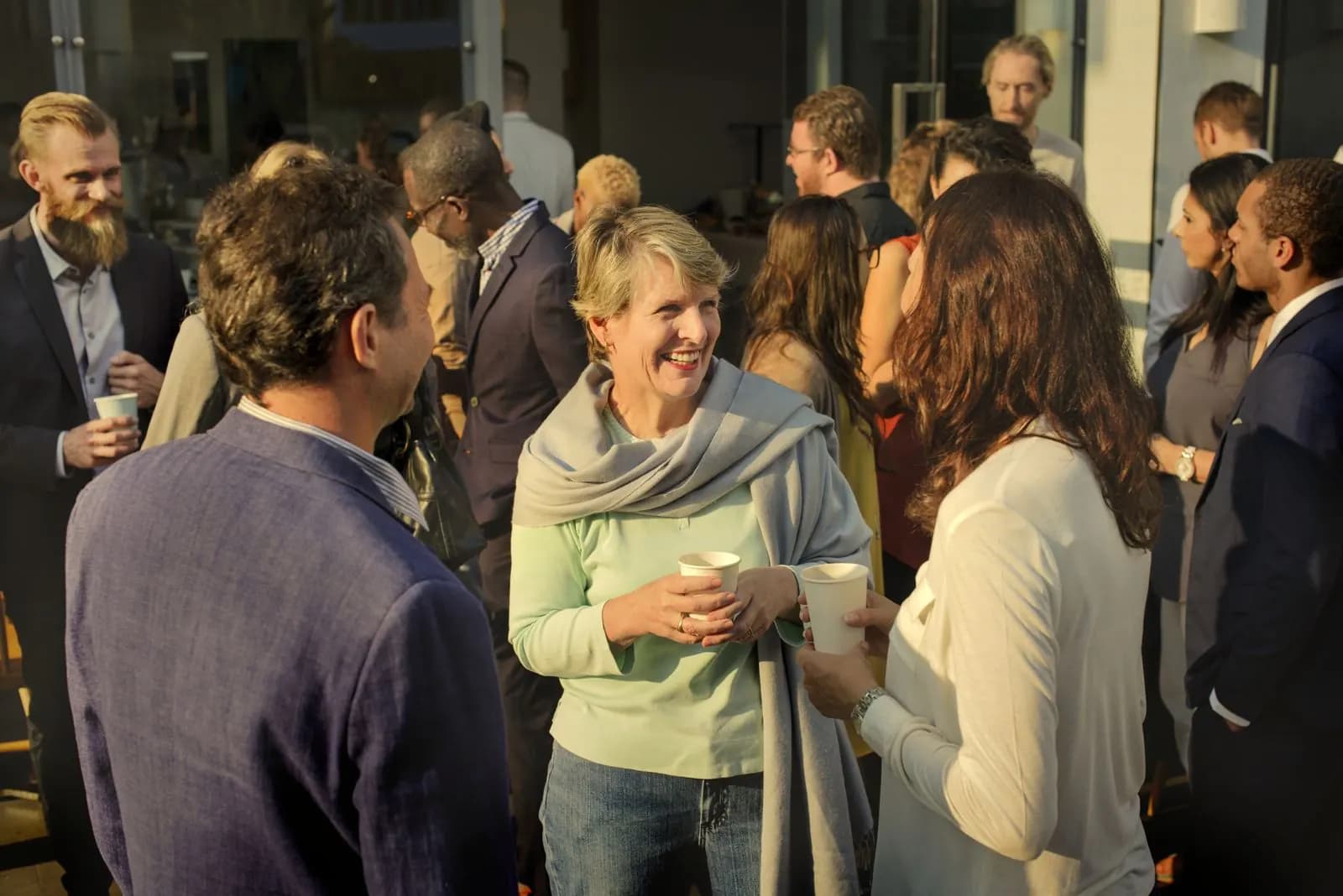
Field marketing is a set of marketing activities run locally or regionally, close to the audience, usually in coordination with sales. In B2B, it often means events, meetings and experiences that bring target accounts together with the company's people: dinners, roundtables, workshops, customer evenings, a presence at industry events, and regional roadshows.
The term has a second meaning, mostly in consumer and retail marketing, where field marketing refers to in-store activity such as sampling, merchandising and promotion. This guide is about the B2B meaning.
How it differs from other marketing
| Approach | Where it works | Main aim |
|---|---|---|
| Digital and demand generation | Online, at scale | Reach, traffic, leads |
| Brand and content marketing | Across channels | Awareness, positioning |
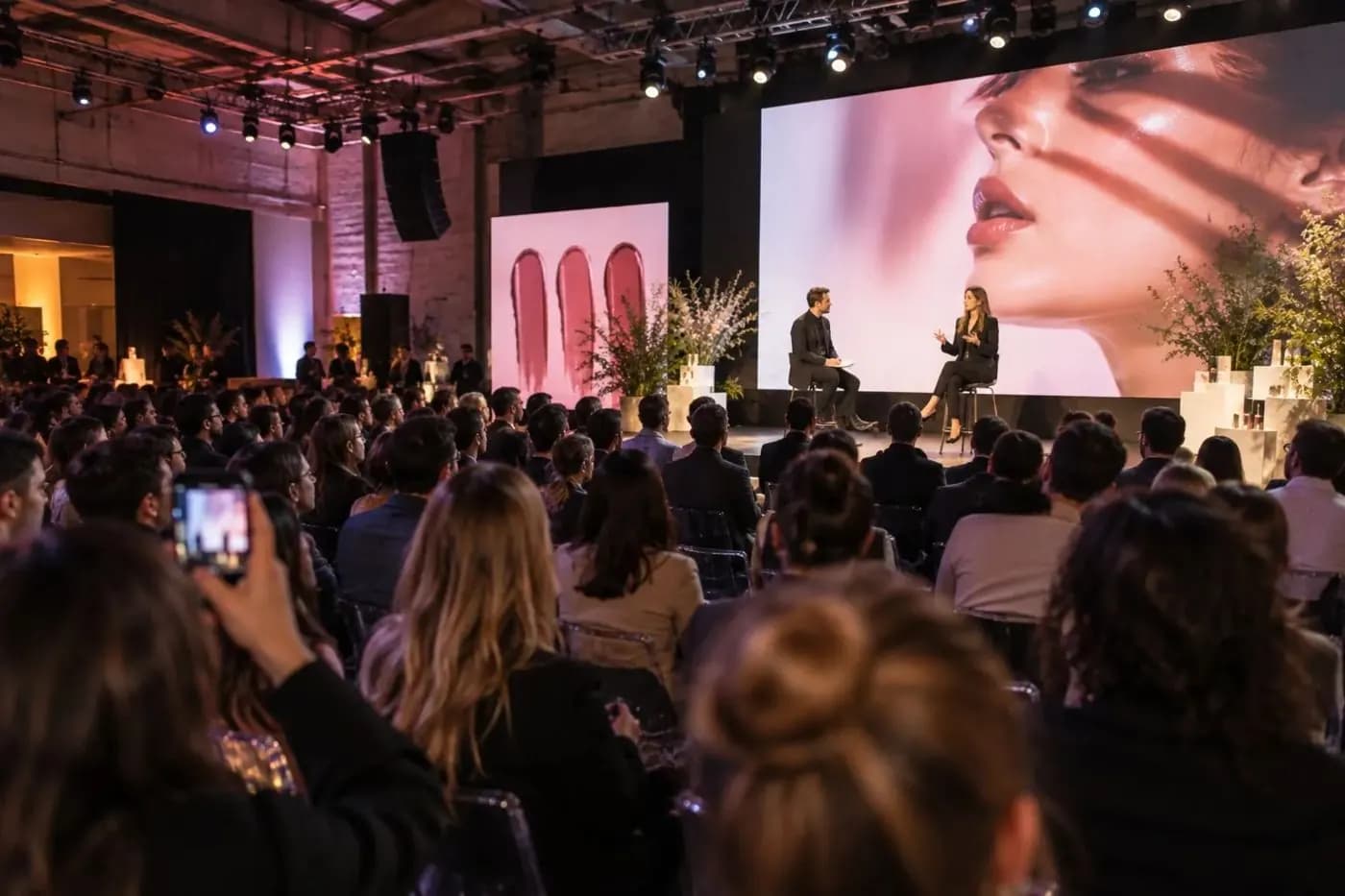
| Event marketing | Conferences, large events, often central | Visibility, pipeline, announcements |
| Field marketing | Locally and regionally, close to target accounts | Relationships, meetings, progress on specific deals and accounts |
Field marketing tends to be smaller and more targeted than central event marketing, and closer to the sales team. The goal is often to open or advance conversations with accounts that matter in a given region.
What field marketers do
The role varies between companies, but the work usually includes:
- Planning regional programmes with sales leaders, based on target accounts and priorities.
- Organising events and activities such as dinners, roundtables, workshops and partner events.
- Managing invitations and attendance, so the right people come.
- Coordinating with sales before, during and after each activity.
- Working with partners and suppliers such as venues, caterers, speakers and agencies.
- Tracking results and sharing what works.
In smaller companies, one person might do all of this. In larger ones, field marketing may be a team spread across regions.
Common field marketing tactics
Executive roundtables. A small, hosted discussion among senior people from target companies, on a topic they care about. The format is intimate and the conversation is the product.
Client and prospect dinners. A table of people, a host and a short, purposeful programme. Often one of the most valued formats because of the time it gives people together.
Customer events. An evening or a day for existing customers, to deepen the relationship and gather feedback.
Workshops and training. Hands-on sessions that teach something useful and put your team alongside the participants.
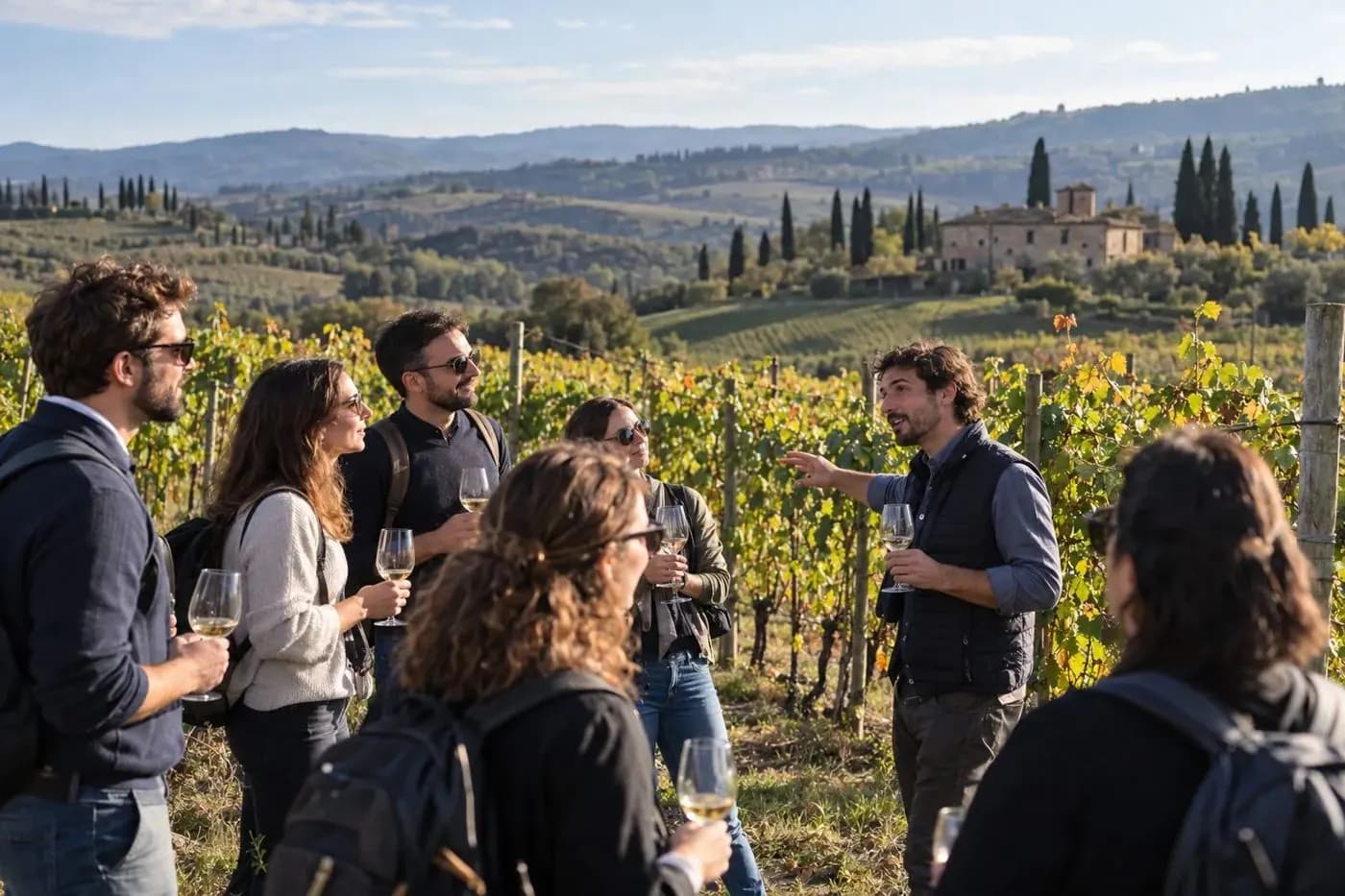
Presence at industry events. A side event, a hosted dinner or a meeting space around a larger conference, to meet the right people while they are already in town.
Regional roadshows. The same programme in several cities, to reach more accounts with a consistent experience.
Partner events. Joint activities with partners who share a target audience.
How to plan a field marketing programme
1. Start with target accounts and regions. Agree with sales which accounts matter, where they are and what stage they are at.
2. Choose one goal for each activity. New conversations, progress on active opportunities, customer retention or feedback. Different goals call for different formats.
3. Pick the format. A dinner for senior decision-makers, a workshop for practitioners, a larger evening for customers.
4. Plan the guest list first. In field marketing, who attends matters more than how many. Agree with sales who will invite whom, and who from your side will be there.
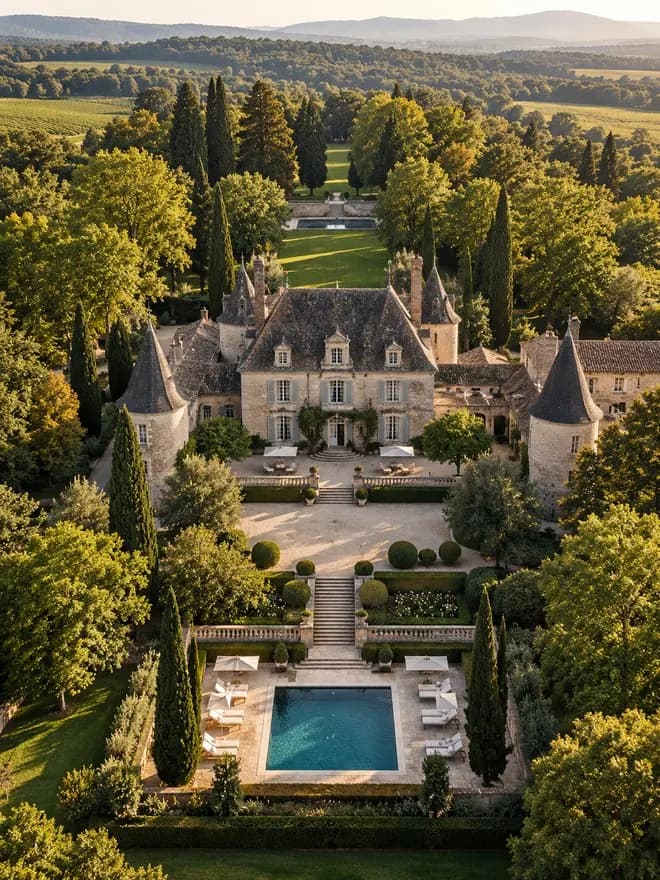
5. Find the right venue. Choose a place that suits the guests and the format, in the city and at a time that works for them.
6. Set the budget. Build it from items: venue, food and drink, production, invitations, speakers, staff time, travel and a contingency.
7. Handle invitations and registration. A clear, personal invitation, simple registration and timely reminders. Plan for some guests dropping out.
8. Brief the team. Everyone on your side should know who is coming, why they matter and what a good conversation looks like.
9. Follow up quickly. A personal message and a clear next step, while the conversation is fresh.
Measuring results
Choose measures that match the goal, and set them up before the activity:
- Attendance. Who came, compared with who was invited and who was a target account.
- Conversations. Meetings booked afterwards, next steps agreed.
- Pipeline. Opportunities created or advanced where the account took part.
- Relationships. Feedback from guests and from sales.
- Efficiency. Cost per attendee from target accounts, and cost per meeting.
Field marketing often works in combination with other activities, so results are best looked at over a period, alongside what else was happening with those accounts.
Working with sales
Field marketing succeeds when sales and marketing plan together:
- Agree target accounts, goals and who will invite whom.
- Share the guest list and the plan before the event.
- Agree who follows up with each guest, and when.
- Review results together and decide what to repeat.
Running a programme across countries
For companies with customers in several countries, a few additional points help:
- Use a consistent structure for formats and measures, with local choices on venue, food, language and tone.
- Check local expectations and rules, for example around gifts, hospitality and data protection for guest lists.
- Choose dates with local holidays and working patterns in mind.
- Make clear who is responsible locally for suppliers and for guests.
Where an event partner helps
A field marketing programme can mean many small events in many cities. The planning is similar each time (venue, catering, invitations, registration, on-site coordination, invoices), and it multiplies quickly. Teams often hand this part to a partner, so that marketers can focus on the guest list, the content and the conversations.
How we approach field marketing at Always Friday
We are a tech-enabled event agency. For field marketing events, you work with a dedicated event manager, who handles sourcing, negotiation and coordination until the last guest has gone home. Behind them is our platform and a network of more than 10,000 vetted venues and suppliers, with preferred supplier rates, in the cities where your accounts are.
Registration pages, invitations and guest management sit in the same place, which matters when the guest list is the heart of the event. You receive one invoice, with supplier management in one place.
We organise Marketing events, including field marketing events, executive roundtables, client dinners, customer events, product launches and roadshows, alongside People events, Sales events and Executive events, with hubs in Milan, London and Barcelona, and organise events globally.
If you are planning field marketing events and want to see what is possible, you can share your brief in our AI event planner. For related reading, see our guide to brand activation.
Frequently asked questions
What is field marketing?
Marketing activity run locally or regionally, close to the audience and in coordination with sales. In B2B it often takes the form of events and meetings with target accounts, such as dinners, roundtables and workshops.
What are the duties of a field marketer?
Planning regional programmes with sales, organising events and activities, managing invitations and attendance, coordinating with partners and suppliers, and tracking results.
What is the difference between field marketing and marketing?
Marketing covers all activity that builds awareness and demand. Field marketing is a part of it that works locally and regionally, often through in-person activity close to specific accounts.
What is the difference between field marketing and event marketing?
Event marketing usually refers to larger, often central events such as conferences. Field marketing is generally smaller, regional and closer to sales, though the two overlap.
What are examples of field marketing events?
Executive roundtables, client and prospect dinners, customer events, workshops, hosted dinners around a larger industry event and regional roadshows.
How do you measure field marketing?
Choose measures that fit the goal: attendance from target accounts, meetings booked afterwards, pipeline created or advanced, feedback from guests and sales, and cost per attendee or per meeting.