Event marketing
Brand activation: what it is, types and how to plan one
A logo, a message and a campaign tell people what a brand stands for. A brand activation lets them experience it. It might be a dinner for customers, a stand in a shared space, a launch evening or a day where prospects try a product with the people who built it.
This guide explains what a brand activation is, the main types, how to plan one step by step and how to think about cost and results. It is written for marketing teams, B2B and consumer, and for anyone who has been asked to "organise an activation" without a clear definition.
What is a brand activation?
A brand activation is a planned experience or campaign that gets people to interact with a brand, in person or online, rather than only seeing or hearing about it. The goal is usually to create awareness, build a relationship, generate interest or move people closer to a decision.
Some related terms are used almost interchangeably, but they are not quite the same:
- Experiential marketing is the wider approach: creating experiences that let people engage with a brand. A brand activation is one way of doing it.
- Field marketing brings marketing and sales activity close to customers and prospects in a region, often through events.
- Event marketing uses events as the main channel, including conferences, launches and customer events.
In practice, an activation is the specific, planned moment, with a date, a place, a guest list and a goal.
Types of brand activation
| Type | What it is | Often suits |
|---|---|---|
| Customer or client event | A dinner, evening or day for existing customers | Retention, relationships, feedback |
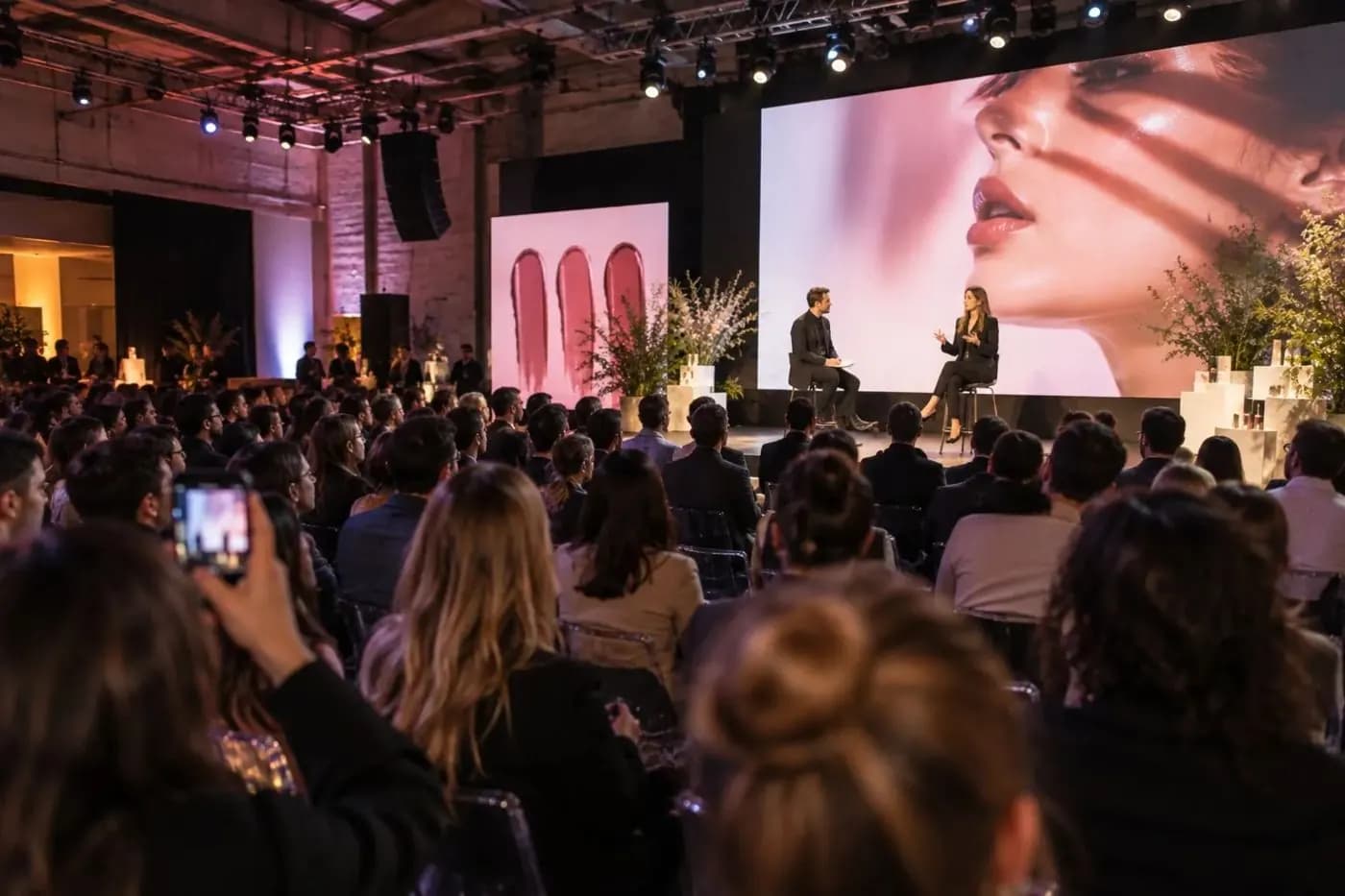
| Product launch | An event to introduce a new product or service | Awareness, media, early adopters |
| Executive roundtable | A small, hosted discussion among senior people | B2B, thought leadership, pipeline |
| Pop-up or temporary space | A short-term space people can visit | Consumer brands, partnerships |
| Roadshow or tour | The same experience in several cities | Reach across regions |
| Sponsorship or presence at an event | A stand, a session or a branded space at a larger event | Visibility and conversations |
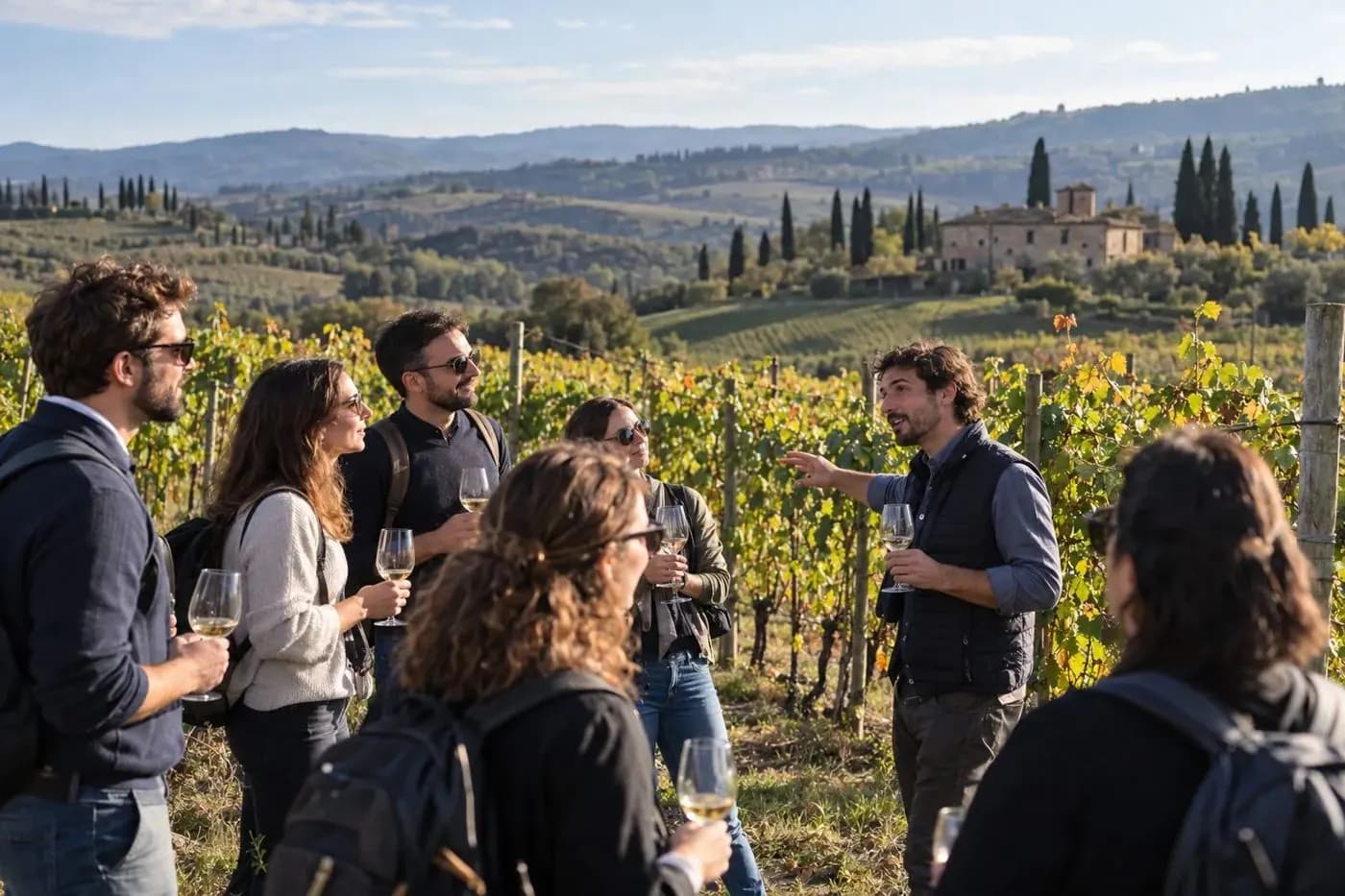
| Hosted experience | A tasting, workshop, demonstration or trial | Product experience, engagement |
| Digital or hybrid activation | An experience online or combined with a live one | Wider reach and follow-up |
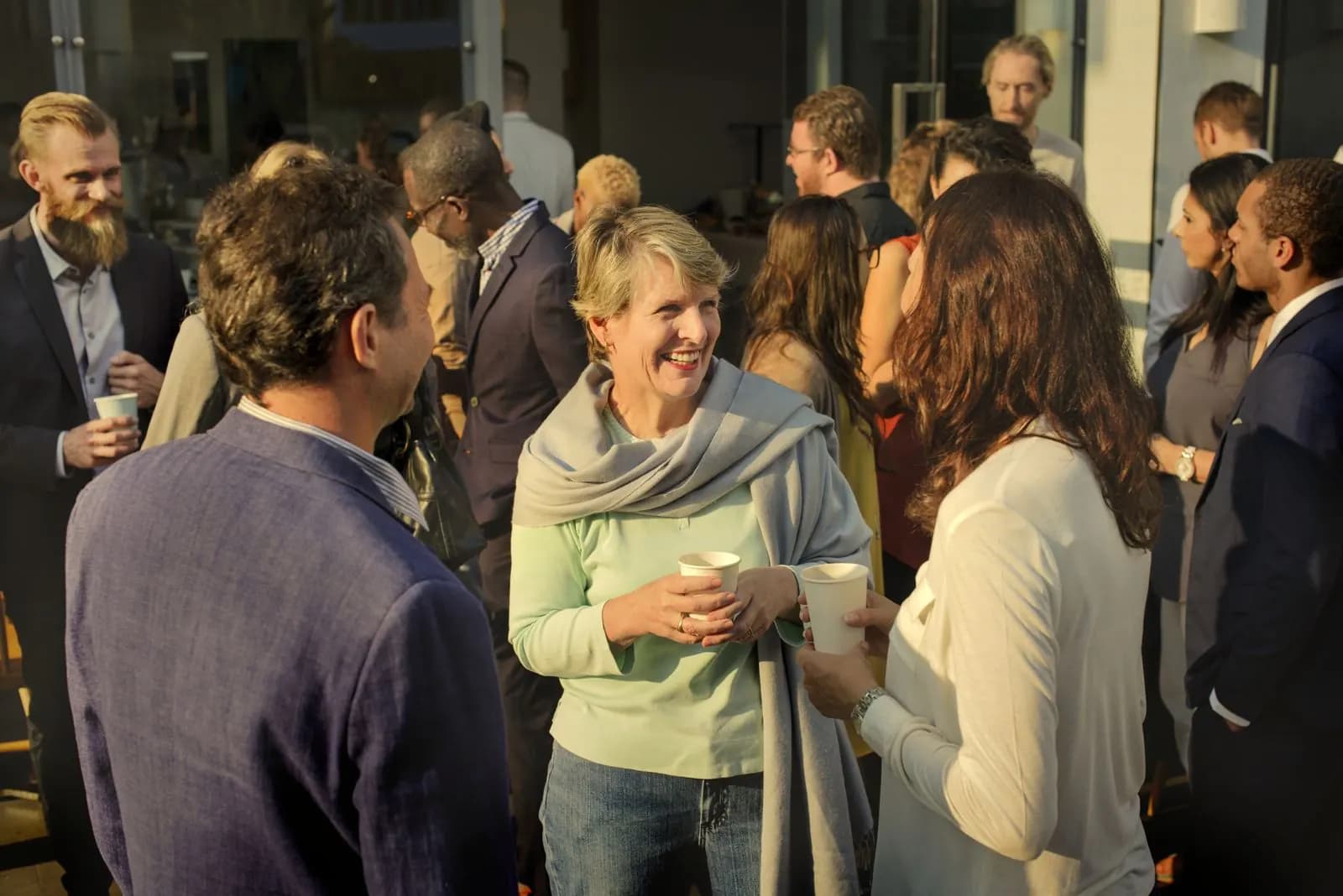
For B2B companies, the most common choices are customer events, roundtables, launches and roadshows. They tend to be smaller and more focused than consumer activations.
How to plan a brand activation
1. Define the goal. Choose one main objective: awareness, leads, relationships, product adoption. Everything else is secondary.
2. Know the audience. Who exactly do you want in the room? Their role, their interests, and why they would come.
3. Choose the idea. An activation works when the experience connects to what the brand does and what the audience cares about. Ask what you want people to remember, and what they can do or learn that they could not do online.
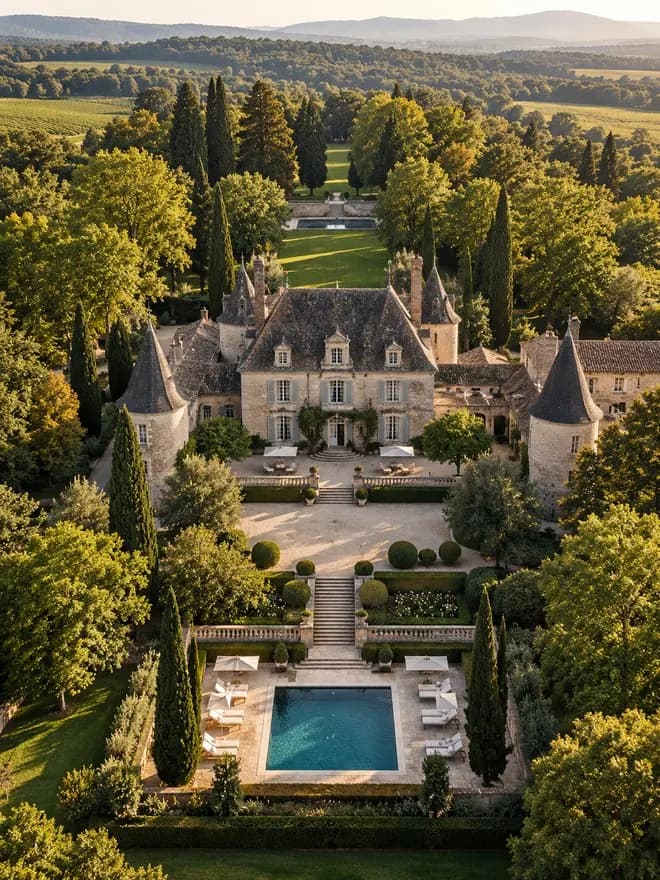
4. Pick the format and the place. Decide what fits the goal and the audience, then look for a venue with the right feel, capacity and access.
5. Set the budget. Build it from items: venue, production, food and drink, staff, content, invitations, travel, insurance and a contingency. Agree what is included before anything is signed.
6. Plan the invitation and attendance. Guest lists, invitations, registration, reminders and follow-up. In B2B especially, who is invited matters more than how many.
7. Prepare the day. A clear running order, a named person in charge on site, briefed staff, backup plans and a way to capture contacts and feedback.
8. Follow up. The activation does not end when people leave. A timely message, the next step and a way to measure results complete the work.
How to measure results
Decide in advance what success looks like, and choose a few measures that match the goal:
- Attendance. Who came, compared with who was invited.
- Engagement. Conversations, participation, time spent.
- Leads and pipeline. Contacts, meetings booked, opportunities opened, for B2B.
- Sentiment. Feedback from guests and from your own team.
- Reach. Mentions, content created, follow-up actions.
Measures need to be set up before the event, so that registration, follow-up and reporting are built in from the start.
What affects cost
A brand activation can cost very little or a great deal. The main factors are:
- Scale. Number of guests, length, number of locations.
- Venue and location. Type, city, season, and whether you need to build or dress the space.
- Production. Design, build, technology, audiovisual, staffing.
- Food and drink. Standard and number of guests.
- Guests' travel. Whether you cover it.
- Content and talent. Speakers, hosts, entertainment.
- Contingency. Always include one.
A clear brief and a clear budget let suppliers propose options that fit.
Common mistakes
- No single goal. Trying to do everything often results in no clear outcome.
- Great idea, wrong audience. The best experience only works when the right people come.
- Too much brand, too little experience. People remember what they did, not what they were told.
- No follow-up. The best conversations are lost without a next step.
- Late planning. Venues, suppliers and guests all need time.
Brand activation across countries
If you run activations in several markets, add these questions:
- Which parts can be the same everywhere, and which should be local?
- Do language, cultural expectations and holidays change the format or the date?
- Who is responsible locally for suppliers, permits and guests?
- How will you compare results between markets?
A consistent structure with local choices on venue, food and tone usually works well.
How we approach brand activations at Always Friday
We are a tech-enabled event agency. For a brand activation, customer event or launch, you work with a dedicated event manager, who handles sourcing, negotiation and coordination until the last guest has gone home. Behind them is our platform and a network of more than 10,000 vetted venues and suppliers, with preferred supplier rates.
Registration pages, invitations and guest management sit in the same place, which matters when the guest list is the heart of the event. You receive one invoice, with supplier management in one place.
We organise Marketing events, including field marketing, customer events, executive roundtables, product launches and roadshows, alongside People events, Sales events and Executive events, with hubs in Milan, London and Barcelona, and organise events globally.
If you are planning an activation and want to see what is possible, you can share your brief in our AI event planner.
Frequently asked questions
What is a brand activation?
A planned experience or campaign that gets people to interact with a brand, in person or online. The aim is usually awareness, relationship, interest or a step towards a decision.
Can you give an example of a brand activation?
A software company hosts a dinner for customers in a city where it is growing, with a short talk and time to meet the product team. Or a brand opens a temporary space where people can try a new product.
What is the difference between brand activation and experiential marketing?
Experiential marketing is the wider approach of creating experiences for people to engage with a brand. A brand activation is a specific planned experience within that approach.
How much does a brand activation cost?
It depends on scale, venue, production, food and drink, guests' travel and content. Build the budget from items and agree what is included before you commit.
How do you plan a B2B brand activation?
Choose one goal, define who must be in the room, pick a format that suits them, such as a dinner, roundtable or launch, plan invitations and registration carefully, and set up follow-up before the event.
How do you measure the success of a brand activation?
Choose a few measures that match the goal, such as attendance, engagement, leads or meetings booked, and feedback, and build the way to capture them into the event from the start.